
 610.432.2600
What Does SEO Mean?
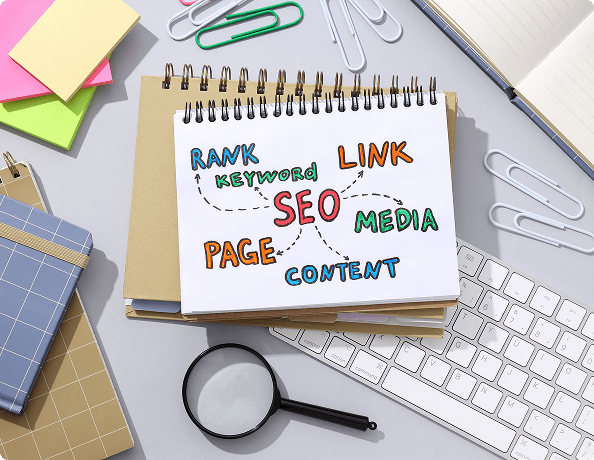
SEO stands for Search Engine Optimization. It’s the process of improving a website so that it ranks higher in search engine results, like Google. In today’s digital world, when people search for information, products, or services, they often don’t go past the first page of results. The goal of SEO is to help your website appear on that first page by making it easier for search engines to understand and rank your content.
This is primarily done by optimizing content to use the right keywords that reflect the search engine results you want to appear in. However, SEO isn’t just about sprinkling keywords into your content; it involves a strategic approach. This includes optimizing your website’s structure, improving the speed at which pages load, making the site mobile-friendly, and creating valuable, high-quality content.
Imagine having a well-designed store hidden in a back alley versus being on the busiest street. SEO is what brings your website to the main street of the internet, helping you get more traffic and potential customers.
How it Works in Simple Words
SEO is like a roadmap for search engines to find and rank your website. By making your website clear, fast, and relevant, you help search engines recognize that your content is valuable to people searching for the topics or products you offer. The better you do this, the higher your website will show up in search results.
Think of it as creating a well-organized, easy-to-navigate store with clear signs and helpful information—customers (and search engines) are more likely to find what they need and return.


SEO Audit
Publish regular, compelling content that resonates with your audience.

Content Creation
Targeted strategies crafted to grow and nurture your follower base.

Keyword Research
Specific approaches for different social platforms like Facebook, Instagram, Twitter, LinkedIn, and more.

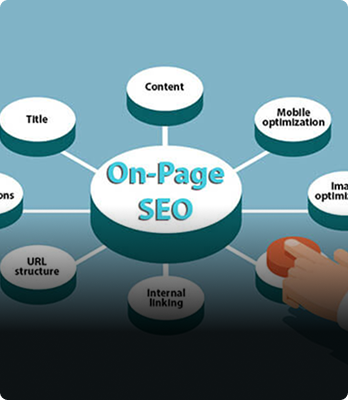
On-Page SEO
Build authentic connections with your followers.

Technical SEO
In-depth insights into your campaigns to measure success and drive future strategy.

Data Analytics
See what the competition is doing and capitalize on the opportunities they provide.

How Exactly Does it Work?
SEO works by helping search engines, like Google, understand and rank your website’s content based on relevance, quality, and user experience. Here’s a more detailed breakdown of the process:
Crawling
Search engines use bots (also known as spiders or crawlers) to scan the internet, looking for new or updated web pages. These bots analyze the content of your site, from the text on your pages to the meta tags that describe them.
Indexing
After crawling a page, search engines store and organize this information in their index, which is like a massive digital library. When a user performs a search, the search engine looks through its index to find the most relevant and authoritative pages.
Ranking
When a user enters a search query, the search engine sorts through its index and ranks the results based on factors like keyword relevance, the quality of the content, the site’s loading speed, and whether the site is optimized for mobile devices. Other factors, such as the number of other trusted websites linking to the page, called backlinks, also play a crucial role in determining the ranking.

Search engines aim to provide users with the most relevant, high-quality results for their search query. The better your SEO strategy, the more likely your site will rank higher in search results, leading to more traffic.

What Are the Types of SEO?
There are several different types of SEO, each focusing on different elements of improving a website’s visibility on search engines. A comprehensive SEO strategy will often include a combination of the following types:
ON-PAGE SEO
OFF-PAGE SEO
TECHNICAL SEO
LOCAL SEO
CONTENT SEO
E-COMMERCE SEO

ON-PAGE SEO
On-page SEO refers to optimizing individual pages on your website to make them more relevant and engaging to both users and search engines. This involves using keywords strategically in content, improving meta tags (like page titles and descriptions), optimizing images, and making sure that your content is easy to read and navigate. For example, making sure each blog post targets a specific keyword and includes valuable information to answer users’ questions is a part of on-page SEO.
OFF-PAGE SEO
Off-page SEO focuses on building your website’s authority and reputation through external efforts. The main component of off-page SEO is link building, which involves getting other reputable websites to link back to your site. The more high-quality backlinks you have, the more credible your site appears to search engines, which can boost your rankings. Social media engagement and brand mentions also play a role in off-page SEO.
TECHNICAL SEO
This involves optimizing the backend of your website to confirm that search engines can easily crawl and index your pages. Technical SEO includes improving site speed, verifying the website is mobile-friendly, setting up an efficient URL structure, and creating XML sitemaps. These technical improvements help search engines understand your website’s structure and content, which can positively impact your rankings.
LOCAL SEO
For businesses that serve a specific geographic area, local SEO is crucial. This type of SEO focuses on making sure your business shows up in local search results. It involves optimizing your Google My Business profile, gathering local reviews, and using location-based keywords. For example, a dentist in New York City might optimize for keywords like “best dentist in NYC.”
CONTENT SEO
For businesses that serve a specific geographic area, local SEO is crucial. This type of SEO focuses on making sure your business shows up in local search results. It involves optimizing your Google My Business profile, gathering local reviews, and using location-based keywords. For example, a dentist in New York City might optimize for keywords like “best dentist in NYC.”
E-COMMERCE SEO
For online stores, E-Commerce SEO is essential. It focuses on optimizing product pages, improving product descriptions, and making sure the user experience is smooth and efficient. E-commerce SEO helps your store rank better for product-related searches, driving more traffic and sales.

What Does an SEO Person Do?
An SEO specialist works to improve a website’s visibility on search engines like Google, making sure the website ranks higher in organic (unpaid) search results. Their main goal is to increase the quantity and quality of traffic coming to the site, ultimately leading to more leads, conversions, or sales. Here’s what a typical SEO expert does:




Each type of SEO plays a crucial role in improving a website’s overall performance. Combining elements from each type helps create a well-rounded SEO strategy.

What is an
Example?
Let’s look at a local bakery as an example of SEO in action. Imagine that a bakery wants to show up in search results when someone in their town looks for “best bakery near me” or “fresh bread in [city name].”
To achieve this, the bakery can:
Use relevant keywords like “fresh pastries” or “local bakery” throughout their website, particularly in page titles, headings, and product descriptions.
Optimize the page titles and descriptions to clearly indicate what the bakery offers, such as “Freshly Baked Goods in [City Name].”
Verify the website loads quickly and works well on mobile devices, since many people search on their phones.
Build backlinks by getting featured on local food blogs, directories, or other websites that link back to the bakery’s site.
With these SEO strategies in place, the bakery’s website will be more likely to appear higher in search results when someone in the area is looking for a bakery, resulting in more visitors and potential customers.

What Kind of Content is Best?
The best content for SEO is relevant, valuable, and engaging for your target audience, while also being optimized for search engines. Here are the types of content that typically perform well for SEO:

The key is to focus on content that meets user intent—what people are searching for and want to know. When paired with SEO best practices like keyword optimization and good structure, this type of content will help improve your search rankings.
Blog Posts
High-quality blog posts are a cornerstone of SEO. They allow you to target specific keywords, answer common questions, and provide useful information. Longer, in-depth posts that are typically 1,000–2,500 words tend to perform better in search rankings, as long as they’re valuable to readers. Blogs also give you the opportunity to regularly update your website with fresh content, which search engines favor.
How-To Guides & Tutorials
Detailed guides that help users solve problems or learn something new can attract traffic, backlinks, and engagement. These types of content are especially effective because they address user intent—what people are searching for and need answers to.
Product or Service Pages
For e-commerce or business websites, well-optimized product or service pages are crucial. These should include clear descriptions, relevant keywords, and answers to common customer questions. Well-optimized pages improve both search rankings and user experience.
Listicles
Articles structured as lists are easy to read, share, and engage with. They tend to get more attention, which can improve SEO performance.
Infographics
Visually appealing content like infographics can attract backlinks and social shares, which boost SEO. While search engines can’t “read” images, using optimized image alt tags and accompanying text helps improve SEO performance.
Videos
Videos are highly engaging and can boost the amount of time users spend on your page, a metric which search engines take into account. Platforms like YouTube are also great for SEO when optimized with relevant keywords in titles, descriptions, and tags.
Case Studies and Testimonials
These types of content build credibility and can attract long-tail keyword searches related to specific problems or solutions. They’re especially useful for businesses looking to showcase their expertise and results.
Long-Form Articles & Pillar Pages
In-depth articles that cover a broad topic comprehensively, also known as pillar pages, often rank well because they’re seen as authoritative content. These pages can serve as a hub for related content and tend to attract more traffic and backlinks.

How Long Does It
Take to Start Working?
SEO typically takes several months to show significant results. Unlike paid advertising, which can bring immediate traffic, SEO is a long-term strategy that builds over time. On average, you can expect to see noticeable improvements in rankings and organic traffic within 3 to 6 months, but this timeline can vary based on several factors:
Competition
If you’re operating in a highly competitive industry, it may take longer to see results, as many other businesses are also optimizing for the same keywords.
Website Health
If your website has underlying technical issues—such as slow loading times, broken links, or poor mobile optimization—these problems need to be addressed before you can see improvements from SEO.
Content Quality
High-quality, relevant content is one of the fastest ways to improve your SEO results. If you consistently produce well-optimized content that meets user needs, you may see quicker gains in search rankings.
Link Building
The more high-quality backlinks you can acquire, the faster your site will build authority and improve in search rankings.

While SEO requires patience, the benefits are long-lasting. Once your site starts ranking higher, you’ll continue to attract organic traffic without having to pay for ads, making it a valuable long term investment.
How Do I Know if it is Working?
To gauge whether your SEO efforts are successful, you can track several key metrics that indicate improvements in your website’s visibility and traffic. Here are some ways to measure progress:

Regularly monitoring these metrics gives you a clear understanding of whether your SEO efforts are paying off and where you can make improvements.
Organic Traffic
High-quality blog posts are a cornerstone of SEO. They allow you to target specific keywords, answer common questions, and provide useful information. Longer, in-depth posts that are typically 1,000–2,500 words tend to perform better in search rankings, as long as they’re valuable to readers. Blogs also give you the opportunity to regularly update your website with fresh content, which search engines favor.
Keyword Rankings
Track the rankings of your target keywords using tools like Google Search Console or other SEO software. If your site is moving up in search results for important keywords, your SEO efforts are paying off.
Click-Through Rate (CTR)
CTR measures how often people click on your website when it appears in search results. If your CTR is improving, it means that your meta descriptions and titles are compelling and relevant to users’ search queries.
Conversions
SEO should not only bring more traffic but also lead to more conversions, such as sales, sign-ups, or inquiries. By tracking how many visitors are taking action after finding your site through search engines, you can measure how effectively your SEO is driving results.
Bounce Rate
This is the percentage of people who visit a page on your site and leave without interacting further. A lower bounce rate indicates that visitors find your content relevant and engaging. SEO should help attract the right audience, reducing your bounce rate over time.
Backlinks
Track the number and quality of external links pointing to your site. Gaining backlinks from reputable sites signals that your SEO strategy is building authority and credibility.

Is It Really Necessary?
SEO is essential for any business looking to improve its online presence and attract more visitors through organic search.
By understanding the different types of SEO and how they work together—whether through keyword optimization, technical improvements, or content creation—you can build a solid strategy that drives long-term success. While results may take time, the benefits of increased visibility, more traffic, and improved user experience are well worth the effort.
Meet Your New Best Customer with Our SEO Services
SEO is essential for any business looking to improve its online presence and attract more visitors through organic search. By understanding the different types of SEO and how they work together—whether through keyword optimization, technical improvements, or content creation—you can build a solid strategy that drives long-term success. While results may take time, the benefits of increased visibility, more traffic, and improved user experience are well worth the effort.

The Benefits of
SEARCH ENGINE OPTIMIZATION

Higher Search Rankings

Increased Organic Traffic

Enhanced Brand Awareness

Improved User Experience

Greater Credibility

Cost
Efficiency

Local SEO Optimization

Long-Term Growth

Competitive Differentiation

Actionable Insights

Frequently asked questions
about SEARCH ENGINE OPTIMIZATION
What are the 4 types of Website Design & Development?
The 4 main types of digital marketing are Search Engine Optimization (SEO), Pay-Per-Click advertising (PPC), Social Media Marketing (SMM), and Content marketing such as blogging or sharing images and videos.
- Search Engine Optimization (SEO) – This involves optimizing a website to improve its visibility and ranking in search engine results pages.
- Pay-Per-Click Advertising (PPC) – This involves placing advertisements on search engines or other websites, and paying each time a user clicks on the advertisement.
- Social Media Marketing (SMM) – This involves promoting a product or service through social media platforms such as Facebook, Instagram, and Twitter.
- Content Marketing – This involves creating and sharing valuable content, such as blog posts, videos, and infographics, to attract and engage an audience and drive profitable customer action.
By utilizing a combination of these 4 types of digital marketing, businesses can reach a wider audience and drive more traffic to their website, leading to increased leads and sales.
What does digital marketing do?
Digital marketing refers to the use of digital channels, such as search engines, social media, email, and websites, to promote a product or service. The goal of digital marketing is to reach a target audience and drive profitable customer action, such as increased sales and brand awareness.
Digital marketing allows businesses to reach a wider audience and personalize their marketing efforts through data-driven strategies and targeting. It provides businesses with the opportunity to interact with customers in real-time, gather insights and feedback, and measure the success of their marketing efforts.
Overall, digital marketing helps businesses achieve their marketing goals by utilizing the vast potential of the internet and digital technologies.
What is an example of digital marketing?
An example of digital marketing is a company creating a social media campaign to promote its new product. The company could post engaging content on its social media accounts, such as videos, images, and user-generated content, to create interest and drive engagement among its followers.
The campaign could also include targeted advertisements on social media, reaching users who are interested in the product based on their browsing and purchasing behavior. The company could also use email marketing to reach their subscribers with personalized content and exclusive offers related to the product.
By using a combination of these digital marketing strategies, the company could reach a wider audience, increase brand awareness, and drive sales for its new product. This is just one example of how a company can utilize digital marketing to achieve its marketing goals.
Is digital marketing Easy?
Digital marketing can be both easy and challenging, depending on the specific tactics and strategies involved. Some aspects of digital marketing, such as setting up social media accounts or creating basic email campaigns, can be straightforward and easy to implement.
However, more complex tactics, such as search engine optimization (SEO) or running targeted advertising campaigns, can require specialized knowledge and skills, and may be more challenging for beginners.
Additionally, digital marketing is constantly evolving, with new technologies and platforms emerging all the time. This can make it challenging for marketers to keep up and remain effective.
Overall, while digital marketing can be approachable for some, it can also be a complex and ever-changing field that requires ongoing learning and adaptation. Whether it is considered easy or not will depend on the individual’s background and experience.

Google partner
Premiere Agency