 610.432.2600
What is a Good Website Design?
A good website design is one that not only looks visually appealing but also functions effectively to provide users with a seamless and enjoyable experience. High-quality website design will have these key components:
User-Centered Layout
RESPONSIVE DESIGN
FAST LOADING TIME
Clear Calls-to-Action
consistent branding

User-Centered Layout
A good website design is one that not only looks visually appealing but also functions effectively to provide users with a seamless and enjoyable experience. High-quality website design will have these key components:
WHY IT MATTERS:
A user-centered layout improves engagement, reduces bounce rates, and increases the likelihood of conversions.
RESPONSIVE DESIGN
A good website must be optimized for all devices, including desktops, tablets, and mobile phones. Responsive design allows the site to automatically adjust its layout and content based on the screen size and device, providing an optimal viewing experience.
WHY IT MATTERS:
More than half of all web traffic comes from mobile devices, so responsive design is crucial for reaching and retaining users across platforms.
FAST LOADING TIME
Speed is a critical factor in website design. Pages should load quickly, ideally within 2-3 seconds. If not, visitors might abandon the site due to slow performance. Optimizing images, code, and server performance helps improve load times.
WHY IT MATTERS:
Fast websites enhance the user experience, improve SEO rankings, and increase user satisfaction.
Clear Calls-to-Action
Effective website design includes prominent and well-placed calls-to-action (CTAs) that direct users toward specific actions, sometimes called ‘Conversions’. This can include signing up for a newsletter, making a purchase, or contacting the business. CTAs should be clear, concise, and visually distinct.
WHY IT MATTERS:
Clear CTAs guide users toward completing desired actions, helping to achieve business goals such as lead generation or sales.
consistent branding
Consistency in design is key to building brand recognition and trust. The website should use a cohesive color scheme, typography, and imagery that align with the brand’s identity and messaging. This consistency should be reflected across all pages to maintain a unified look and feel.
WHY IT MATTERS:
Consistent branding helps reinforce your brand identity and makes your website memorable and trustworthy in the eyes of users.


Custom Design
Designs crafted specifically for your business and your industry.

User Experience (UX) Design
Intuitive navigation and elegant functionality.

Conversion Rate Optimization (CRO)
Design pages to convert from the start.

mobile first web design
Websites made to look good and function well on every device.

Digital Branding Integration
Aligning your brand with the online face of your business

Website Redesign Strategy
Web pages redesigned to engage users more deeply and keep them on longer.

Are Web Design and UI Design the Same?
Web design and UI (User Interface) design are closely related, but they serve different purposes in the website creation process. Both are critical to creating a functional and user-friendly website. Here’s how they differ:
WEB DESIGN
Web design is a broad discipline that involves creating the overall aesthetic and structural framework of a website. It encompasses:
Layout:
Organizing content and elements like images, text, and buttons in a way that is visually appealing and easy to navigate.
Color Schemes and Typography:
Selecting colors, fonts, and other design elements that align with the brand identity.
Responsiveness:
Adapt the website and its functions to work well on various devices, including desktops, tablets, and smartphones.
“Web design focuses on the visual and functional aspects of a website as a whole. Those aspects need to align with the brand’s goals and provide an intuitive experience for users.”
UI DESIGN
UI design is a specific part of web design that deals with how users interact with the website. It focuses on the design and functionality of interface elements, such as:
BUTTONS:
Creating buttons that are easy to click and understand.
FORMS:
Designing forms that are simple to fill out and navigate.
NAVIGATION:
Structuring menus, tabs, and links so that users can easily move through the site.
interactive elements:
Confirming that all clickable or interactive components are intuitive and provide feedback (e.g., hover effects, clickable states).
“UI design emphasizes the usability and interaction of the website. This allows users to effectively engage with the site’s interface and complete desired actions.”
KEY difference
WEB DESIGN
Focuses on the overall aesthetics, layout, and user experience of the entire site.
UI DESIGN
Focuses specifically on the design of interactive elements that users engage with, such as buttons and navigation menus.


Can I Hire Someone to Do It?
“Yes, you can hire a professional web designer or a web design agency to design your website. If you need a simple personal site, a business website, or a more complex e-commerce platform, hiring a professional is ideal. That way, your website is tailored to your specific needs and delivers a high-quality user experience.”

What is a
Website Design Company?
Hiring a professional web design agency is a smart investment if you want a polished, high-functioning website that reflects your brand and serves your audience effectively. By outsourcing this work, you can have a strong online presence without the technical burden of building the site yourself. Here’s what a professional web design agency can offer:
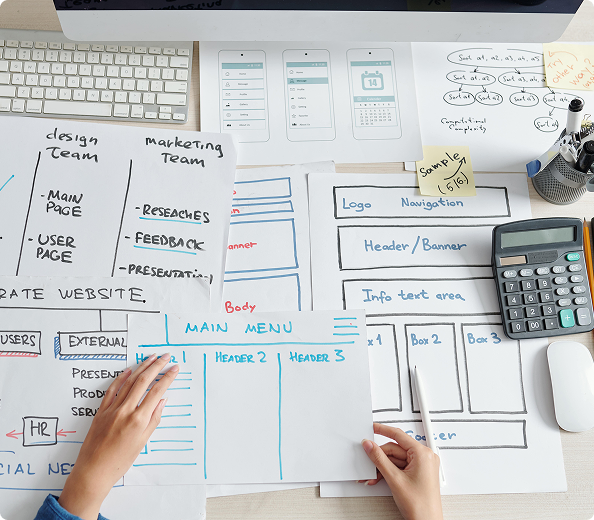
 KEY difference
Professional web designers provide tailored solutions based on your requirements, industry, and goals. They can create a website that aligns with your brand’s identity by offering custom designs, layouts, and features that differentiate your site from your competitors.
 Expertise in (UX) and (UI)
Experienced designers focus on both UX (User Experience) and UI (User Interface) to make the website intuitive, engaging, and easy to navigate. This enhances user satisfaction and encourages visitors to spend more time on your site.
 Responsive Design
Web designers make sure your website works seamlessly on all devices, including desktops, tablets, and mobile phones. With more users browsing on mobile devices, responsive design is essential for retaining visitors and improving SEO.
 SEO & Performance Optimization
A professional designer will also optimize your website for search engines (called SEO) and performance so it ranks well in search results. This includes optimizing images, using clean code, and mobile-friendliness.
 Support and Maintenance
Many web designers and agencies offer ongoing support and maintenance services so that your website remains up-to-date, secure, and functional over time. This is particularly useful if you don’t have the technical expertise to manage the site yourself.
 Cost Efficiency and Time Savings
Hiring a professional can save you time and resources in the long run. They can complete the project more efficiently than trying to do it yourself, while the design and functionality meet professional standards.

What to Look
for When Hiring a Web Design Company?
Hiring the right web design company is crucial for building a successful, functional, and visually appealing website. It involves researching their portfolio and client reviews, defining your project needs, requesting proposals, assessing their expertise in relevant technologies, and making sure they fit within your budget. Taking these steps will help you find a reliable partner who can build a website that meets your goals and requirements.

How to Choose a Good Fit?
Here are the key factors to consider when selecting a web design company:
PORTFOLIO
A company’s portfolio is one of the best ways to assess their design capabilities. When reviewing their work look for:
DIVERSITY
A company’s portfolio is one of the best ways to assess their design capabilities. When reviewing their work look for:
DESIGN QUALITY
Is their work visually appealing, modern, and functional?
CONSISTENCY
Does their portfolio demonstrate versatility and attention to detail across different projects?
“A strong portfolio is an indicator that the company can deliver professional and creative designs. It should give you confidence in their ability to deliver a website that matches your vision.”
Experience in Your Industry
It’s important to choose a company that has experience building websites for businesses in your industry or niche. They will already understand your market, audience, and industry-specific requirements. Check if they:
- Have worked with businesses of similar size or scope.
- Can implement features or design elements relevant to your field (e.g., booking systems for hospitality, e-commerce for retail).
Industry experience can streamline the design process and result in a more effective website.
Responsive Design Expertise
A well-designed website should function seamlessly on all devices. Confirm that the company specializes in responsive design by:
- Checking if their previous websites look and function well across different screen sizes.
- Asking them about their approach to responsive web design and mobile optimization.
Since mobile traffic is a large portion of overall web usage, responsive design is essential for user experience and SEO.
SEO Knowledge:
Your website’s design should support search engine optimization (SEO) to help it rank higher on search engines. Make sure the company understands basic SEO principles, including:
On-page SEO
Proper use of meta tags, heading structure, image optimization, and clean code.
Website speed
Faster load times help with search engine rankings.
Mobile optimization
A mobile-friendly site is critical for SEO success.
“A web design company with SEO expertise will make your website search-engine-friendly from the start.”
Communication and Responsiveness
Good communication is key to a successful partnership. Choose a company that:
- Is responsive and clear in their communication.
- Provides regular updates throughout the project.
- Is open to feedback and works collaboratively to achieve your vision.
A company that communicates effectively will make the process smoother and help prevent misunderstandings or delays.
Ongoing Support and Maintenance
Websites require ongoing updates, maintenance, and troubleshooting to remain functional and secure. Ask the company about:
Post-launch support
Do they offer maintenance packages or on-demand support?
Security updates
Will they handle software updates and patch vulnerabilities?
Content management
Do they offer services to help with content updates after the site is live?
“Having ongoing support in place ensures that your website continues to perform well after its launch.”

Let’s Bring Your Vision To Life
In the world of web design, creating a functional, visually appealing, and user-friendly website is essential for success. A good website design goes beyond aesthetics. It prioritizes user experience, responsiveness, and performance to meet the needs of modern internet users. Fast load times, implementing clear calls-to-action, and maintaining consistent branding are all aspects that contribute to a seamless user journey. This encourages engagement and conversions.
Understanding the difference between web design and UI design helps businesses focus on both the overall structure and the interactive elements that drive user satisfaction. By investing in professional web design services, businesses gain access to customized solutions, expert UX/UI design, SEO optimization, and ongoing support—all critical for maintaining a competitive online presence.
Ultimately, when hiring a web design agency, finding the right partner can transform your vision into a functional and high-performing website. Let us help your brand stand out and succeed in the digital landscape.


The Benefits of Web Design

ENHANCED
USER EXPERIENCE

MOBILE-FRIENDLY DESIGN

IMPROVED
BRANDING

HIGHER
CONVERSION RATE

FASTER
LOAD TIMES

BETTER SEO PERFORMANCE

CONSISTENT AESTHETICS

INCREASED ENGAGEMENT

STREAMLINED NAVIGATION

FUTURE-PROOF DESIGN

Frequently asked questions about Website Design & Development
What are the 4 types of Website Design & Development?
The 4 main types of digital marketing are Search Engine Optimization (SEO), Pay-Per-Click advertising (PPC), Social Media Marketing (SMM), and Content marketing such as blogging or sharing images and videos.
- Search Engine Optimization (SEO) – This involves optimizing a website to improve its visibility and ranking in search engine results pages.
- Pay-Per-Click Advertising (PPC) – This involves placing advertisements on search engines or other websites, and paying each time a user clicks on the advertisement.
- Social Media Marketing (SMM) – This involves promoting a product or service through social media platforms such as Facebook, Instagram, and Twitter.
- Content Marketing – This involves creating and sharing valuable content, such as blog posts, videos, and infographics, to attract and engage an audience and drive profitable customer action.
By utilizing a combination of these 4 types of digital marketing, businesses can reach a wider audience and drive more traffic to their website, leading to increased leads and sales.
What does digital marketing do?
Digital marketing refers to the use of digital channels, such as search engines, social media, email, and websites, to promote a product or service. The goal of digital marketing is to reach a target audience and drive profitable customer action, such as increased sales and brand awareness.
Digital marketing allows businesses to reach a wider audience and personalize their marketing efforts through data-driven strategies and targeting. It provides businesses with the opportunity to interact with customers in real-time, gather insights and feedback, and measure the success of their marketing efforts.
Overall, digital marketing helps businesses achieve their marketing goals by utilizing the vast potential of the internet and digital technologies.
What is an example of digital marketing?
An example of digital marketing is a company creating a social media campaign to promote its new product. The company could post engaging content on its social media accounts, such as videos, images, and user-generated content, to create interest and drive engagement among its followers.
The campaign could also include targeted advertisements on social media, reaching users who are interested in the product based on their browsing and purchasing behavior. The company could also use email marketing to reach their subscribers with personalized content and exclusive offers related to the product.
By using a combination of these digital marketing strategies, the company could reach a wider audience, increase brand awareness, and drive sales for its new product. This is just one example of how a company can utilize digital marketing to achieve its marketing goals.
Is digital marketing Easy?
Digital marketing can be both easy and challenging, depending on the specific tactics and strategies involved. Some aspects of digital marketing, such as setting up social media accounts or creating basic email campaigns, can be straightforward and easy to implement.
However, more complex tactics, such as search engine optimization (SEO) or running targeted advertising campaigns, can require specialized knowledge and skills, and may be more challenging for beginners.
Additionally, digital marketing is constantly evolving, with new technologies and platforms emerging all the time. This can make it challenging for marketers to keep up and remain effective.
Overall, while digital marketing can be approachable for some, it can also be a complex and ever-changing field that requires ongoing learning and adaptation. Whether it is considered easy or not will depend on the individual’s background and experience.

Google partner
Premiere Agency