 215.558.5555
What Are Web Design
and Web Development?
Web design and web development are two essential parts of creating a successful website.
1. WEBSITE DESIGN
2. WEBSITE DEVELOPMENT

WEB DESIGN
Web design focuses on how your website looks and feels. It involves choosing colors, fonts, images, and arranging these elements to create an attractive and user-friendly layout. A good web design makes your website easy to navigate and enjoyable to use, allowing visitors to find what they need quickly and effortlessly.
WEBsite DEvelopment
Web development deals with the technical side of your website. It involves writing the code that makes your website function. This includes everything from creating interactive features like contact forms and shopping carts to making sure your website loads quickly and runs smoothly. Web developers use program and markup languages to create websites.
Together, web design and web development work hand in hand to make websites that are not only visually appealing but also functional and effective in achieving your business goals.
Together, web design and web development work hand in hand to make websites that are not only visually appealing but also functional and effective in achieving your business goals.


Custom
Web Design
Designs crafted just for
your business.

Technical Development
Professional-made custom websites that perform every programmatic function.

Content Management System (CMS)
Enabling easy content updates and management.

Responsive
Development
Websites made to work seamlessly on any device.

Cross-Browser Compatibility
Secure and user-friendly online shopping experiences.

Ongoing Optimization and Maintenance
Websites should grow with your business and the internet to maintain optimal performance.

What Makes a Good Website Design?
A good website design is more than just looking nice; it’s about creating a website that works well for both you and your visitors. Here are some key aspects that make a website design effective:
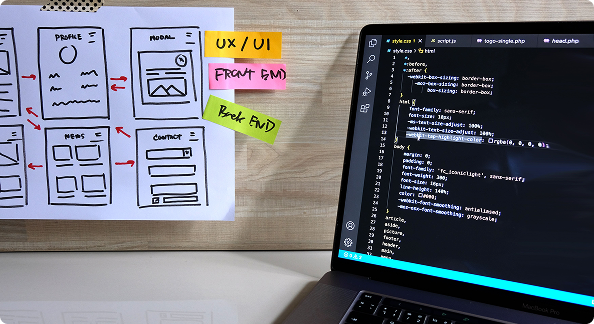
User-centered layout:
means that the website is organized in a way that makes sense to the people who visit it. This includes having clear menus, easy-to-find buttons, and well-structured sections.
Responsive design
Experienced designers focus on both UX (User Experience) and UI (User Interface) to make the website intuitive, engaging, and easy to navigate. This enhances user satisfaction and encourages visitors to spend more time on your site.
Clear calls-to-action (CTAs)
Web designers make sure your website works seamlessly on all devices, including desktops, tablets, and mobile phones. With more users browsing on mobile devices, responsive design is essential for retaining visitors and improving SEO.
Consistent branding
Web designers make sure your website works seamlessly on all devices, including desktops, tablets, and mobile phones. With more users browsing on mobile devices, responsive design is essential for retaining visitors and improving SEO.

How Do Web Design
and UI Design Differ?
While web design and User Interface (UI) design are closely
related, they focus on different aspects of your website.
WEB DESIGN
is about the overall look and feel of your website. It involves creating the layout, choosing colors and fonts, and arranging images and text in a way that is visually appealing and easy to navigate. Web designers aim to create a website that not only looks good but also provides a positive experience for users.
WEB development
on the other hand, is a specific part of web design that deals with the interactive elements of your website. This includes designing buttons, forms, menus, and other elements that users interact with directly. UI designers focus on making these elements intuitive and easy to use, so that users can navigate your website and perform actions without confusion.
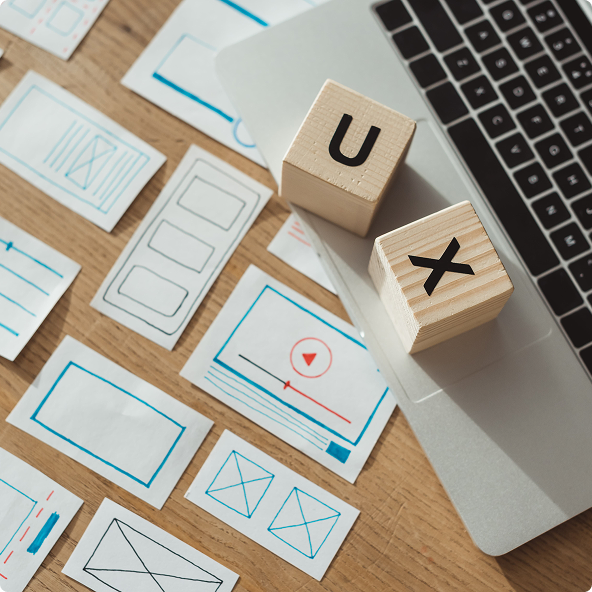
In simple terms, while web design covers the overall appearance and structure of your website, UI design focuses on the details of how users interact with it. Both are important for creating a website that is both beautiful and functional.

Can I Hire Someone to Design and Develop My Website?
Absolutely! Hiring a professional web designer or a web development agency is the best way to build a beautiful and functional website. It doesn’t matter if it’s a simple personal blog, a business website, or a complex e-commerce platform: professionals can create a website tailored to your specific needs.
A professional web design and development company offers a range of services to help you build a strong online presence. They can create custom designs that reflect your brand’s identity, develop interactive features that engage your visitors, and optimize your website for search engines like Google. Additionally, they provide ongoing support and maintenance to keep your website running smoothly and up-to-date with the latest technologies.
Hiring experts saves you time and effort, allowing you to focus on your core business while they handle the technical aspects of building and maintaining your website. With their expertise, you can have a high-quality website that meets your business goals and provides a great experience for your visitors.


What is a Web
Development Agency?
A web development agency is a company that specializes in creating and maintaining websites and web applications for businesses and individuals. These agencies employ a team of experts, including web developers, designers, project managers, and digital strategists, who work together to build custom websites that meet the specific needs and goals of their clients.
Services Offered by an Agency
Web development agencies provide a wide range of services that make your website not only visually appealing and functional but optimized for success. Here are some of the key services they offer:

1 Full-Cycle Development
Web development agencies handle every stage of the website creation process, from initial planning and strategy to design, coding, testing, and deployment. This comprehensive approach guarantees that all aspects of your website are well-coordinated and aligned with your business objectives.
2 Custom Solutions
Agencies create custom-built websites tailored to your unique requirements. This can be true for a simple informational site or a complex e-commerce platform. They design and develop features that cater specifically to your business needs, providing a competitive edge in the market.
3 E-Commerce AND Web Applications
For businesses that sell products or services online, web development agencies build secure and user-friendly e-commerce platforms. They integrate payment gateways, product catalogs, shopping carts, and other essential features to facilitate seamless online transactions. Additionally, they develop web applications that offer interactive and dynamic experiences for your users.
4 SEO and Digital Marketing
Many web development agencies offer search engine optimization (SEO) and digital marketing services to enhance your website’s visibility and attract more visitors. By optimizing your site for search engines and implementing effective marketing strategies, they help drive organic traffic and improve your online presence.
5 Maintenance and Support
After your website is launched, agencies provide ongoing maintenance and support to keep it running smoothly. This includes regular updates, security patches, troubleshooting, and performance monitoring so that your website remains secure, functional, and up-to-date with the latest technologies.
Why Choose an Agency?
Partnering with a web development agency offers numerous advantages:
Improved User Experience
A responsive website allows visitors to have a seamless and enjoyable experience regardless of the device they are using, whether it’s a desktop, tablet, or smartphone. This reduces frustration, encourages engagement, and keeps users on your site longer.
Efficiency and Project Management
Web development agencies excel in managing projects efficiently. They handle timelines, budgets, and resources effectively. This makes sure that your website is completed on time and within budget. Their organized approach minimizes the risk of delays and cost overruns.
Innovative Solutions:
Web agencies stay up to date with the latest industry trends and technologies. They bring innovative ideas and creative solutions to the table, allowing your website to stand out in the competitive digital landscape.

A reputable web development agency professionally designs a functionally robust and optimized website ready for success in the digital world.

Why Are Web Developers Worth It?
Investing in professional web developers is highly beneficial for anyone looking to create a successful website. Here’s why hiring web developers is worth the investment:
Customization
Customization is one of the main advantages. Web developers can create a website unique to your brand, incorporating specific features and design elements set you apart from competitors. Unlike template-based websites, custom-built sites offer greater flexibility and can be tailored to meet your exact needs, whether you’re running a small business or a large enterprise
Improved User Experience (UX)
Improved User Experience (UX) is another significant benefit. Professional web developers focus on making your website easy to use and navigate. They build your site to load quickly, be mobile-friendly, and function smoothly across all devices. A well-designed user experience keeps visitors engaged, reduces bounce rates, and increases the likelihood of conversions.
Better SEO Performance
Better SEO Performance is crucial for attracting organic traffic. Web developers implement SEO best practices, such as clean code, proper meta tags, and optimized site speed. These measures help your website rank higher in search engine results. Higher rankings lead to increased visibility and more visitors to your site, ultimately driving more business opportunities.
Security and Maintenance
Security and Maintenance are essential for protecting your website and your users’ data. Web developers implement security measures to guard against threats like hacking and malware. They also provide ongoing maintenance to keep your website updated, secure, and running efficiently. Regular updates and security checks keep your website safe and reliable over time.
Time and Cost Efficiency
Time and Cost Efficiency come from the expertise that professional web developers bring. They can complete projects faster and more efficiently than someone without the necessary skills, avoiding common pitfalls and costly mistakes. This means you get a high-quality website delivered on time and within budget, allowing you to focus on growing your business instead of dealing with technical issues.
Scalability and Future Growth
Scalability and Future Growth are made possible with professional web development. As your business grows, your website can evolve to meet new demands, such as adding new features, expanding your product offerings, or accommodating more traffic. Web developers design websites with scalability in mind, so that your online presence can grow alongside your business.

Hiring professional web developers provides numerous benefits that enhance your website’s functionality, performance, and user experience, ultimately contributing to your business’s success.
Who Needs Web
Development Services?
Web development and design services are essential for a wide range of individuals, organizations, and businesses looking to establish or enhance their online presence. These services help create professional, functional, and user-friendly websites or web applications that meet specific goals. Here’s a breakdown of who typically needs web development and design services:
- Businesses
- Startups
- Individuals
- Non Profits
- E-commerce Businesses
- Educational Institutions
- Healthcare Providers
- Creative Professionals
Regardless of the industry or size, having a well-designed and developed website is crucial for reaching and engaging with your audience effectively.
What is the Average Cost?
The cost of web development services can vary widely depending on several factors, including the size, complexity, and specific requirements of your website. Understanding these factors can help you budget effectively and choose the right services for your needs.
Factors That Influence the Cost
The cost of developing a website is influenced by various elements:
Website Size and Complexity
Larger websites with more pages and complex functionalities require more time and resources to develop, increasing the overall cost. Simple websites with a few pages are less expensive compared to multi-page sites with advanced features.
Design and Customization
Custom designs and unique user interfaces that align with your brand’s identity demand more effort and expertise, driving up the price. A customized website stands out and will meet your specific business needs.
Advanced Features
Features such as user logins, payment processing, integrations with other systems, and interactive elements add complexity and cost to the development process. These functionalities enhance the user experience but require more technical work.
CMS Integration
Implementing a CMS like WordPress, Drupal, or Joomla allows for easier content updates but requires additional setup and customization. A CMS provides flexibility and control over your website’s content.
SEO and Marketing
Incorporating SEO best practices and digital marketing strategies to enhance visibility and traffic adds to the budget. SEO helps your website rank higher in search engine results, attracting more organic visitors.
Ongoing Maintenance and Security
Regular updates, security patches, and technical support are recurring expenses that keep your website secure and functional. Maintenance keeps your site up-to-date with the latest technologies and protects it from potential threats.
Importance of Defining Clear Objectives
Defining clear objectives and requirements upfront is crucial for obtaining accurate quotes and avoiding unexpected costs. Understanding exactly what you need and communicating it effectively to your web development team or agency keeps your project within budget and meets your business goals. Clear objectives help developers provide precise estimates and deliver a website that aligns with your expectations.

Let’s Put Your Business Out There
Having a well-designed and expertly developed website is crucial for establishing a strong online presence and achieving business success. Our full-stack web design and development services combine creativity, technical expertise, and strategic planning to deliver websites that are visually stunning, highly functional, and optimized for performance and SEO.
By partnering with us, you gain access to customized solutions, expert UX/UI design, robust web development, digital marketing, and ongoing support to give you a cutting-edge website that is secure and effectively reaches your target audience. Contact us today to bring your brand to life online.

The Benefits of Web
Development and Design

Responsive
Design

Enhanced
UX

Improved
SEO

Custom Functionality

Scalable Solutions

Faster
Load Times

Consistent Branding

Higher Conversions

Secure
Platforms

Data-Driven Insights

Frequently asked questions about Website Design & Development
What are the 4 types of Website Design & Development?
The 4 main types of digital marketing are Search Engine Optimization (SEO), Pay-Per-Click advertising (PPC), Social Media Marketing (SMM), and Content marketing such as blogging or sharing images and videos.
- Search Engine Optimization (SEO) – This involves optimizing a website to improve its visibility and ranking in search engine results pages.
- Pay-Per-Click Advertising (PPC) – This involves placing advertisements on search engines or other websites, and paying each time a user clicks on the advertisement.
- Social Media Marketing (SMM) – This involves promoting a product or service through social media platforms such as Facebook, Instagram, and Twitter.
- Content Marketing – This involves creating and sharing valuable content, such as blog posts, videos, and infographics, to attract and engage an audience and drive profitable customer action.
By utilizing a combination of these 4 types of digital marketing, businesses can reach a wider audience and drive more traffic to their website, leading to increased leads and sales.
What does digital marketing do?
Digital marketing refers to the use of digital channels, such as search engines, social media, email, and websites, to promote a product or service. The goal of digital marketing is to reach a target audience and drive profitable customer action, such as increased sales and brand awareness.
Digital marketing allows businesses to reach a wider audience and personalize their marketing efforts through data-driven strategies and targeting. It provides businesses with the opportunity to interact with customers in real-time, gather insights and feedback, and measure the success of their marketing efforts.
Overall, digital marketing helps businesses achieve their marketing goals by utilizing the vast potential of the internet and digital technologies.
What is an example of digital marketing?
An example of digital marketing is a company creating a social media campaign to promote its new product. The company could post engaging content on its social media accounts, such as videos, images, and user-generated content, to create interest and drive engagement among its followers.
The campaign could also include targeted advertisements on social media, reaching users who are interested in the product based on their browsing and purchasing behavior. The company could also use email marketing to reach their subscribers with personalized content and exclusive offers related to the product.
By using a combination of these digital marketing strategies, the company could reach a wider audience, increase brand awareness, and drive sales for its new product. This is just one example of how a company can utilize digital marketing to achieve its marketing goals.
Is digital marketing Easy?
Digital marketing can be both easy and challenging, depending on the specific tactics and strategies involved. Some aspects of digital marketing, such as setting up social media accounts or creating basic email campaigns, can be straightforward and easy to implement.
However, more complex tactics, such as search engine optimization (SEO) or running targeted advertising campaigns, can require specialized knowledge and skills, and may be more challenging for beginners.
Additionally, digital marketing is constantly evolving, with new technologies and platforms emerging all the time. This can make it challenging for marketers to keep up and remain effective.
Overall, while digital marketing can be approachable for some, it can also be a complex and ever-changing field that requires ongoing learning and adaptation. Whether it is considered easy or not will depend on the individual’s background and experience.

Google partner
Premiere Agency