 215.558.5555
What Is Social Media
With Examples?
Social media refers to a collection of online platforms that allow users to create, share, and interact with content in various forms such as text, images, video, and audio. These platforms enable communication, collaboration, and community-building on a global scale. They offer different features that appeal to a wide range of users, from individuals to businesses. Social media fosters interactions between users, allowing them to connect based on shared interests, geographic location, or professional networks.
Some examples of social media platforms include:


Twitter (now X)


YouTube

TikTok


These platforms each have unique audiences and content styles, but they all allow for interaction, sharing, and the formation of communities. Social media’s role in both personal and professional spheres has expanded significantly, offering powerful social tools across the globe.


Content Creation & Calendar
Publish regular, compelling content that resonates with your audience.

Audience
Growth
Targeted strategies crafted to grow and nurture your follower base.

Platform
Optimization
Specific approaches for different social platforms like Facebook, Instagram, Twitter, LinkedIn, and more.

Community
Engagement
Build authentic connections with your followers.

Campaign Tracking & Reporting
In-depth insights into your campaigns to measure success and drive future strategy.

Competitor
Research
See what the competition is doing and capitalize on the opportunities they provide.

What Are the Top
5 Social Media Sites?
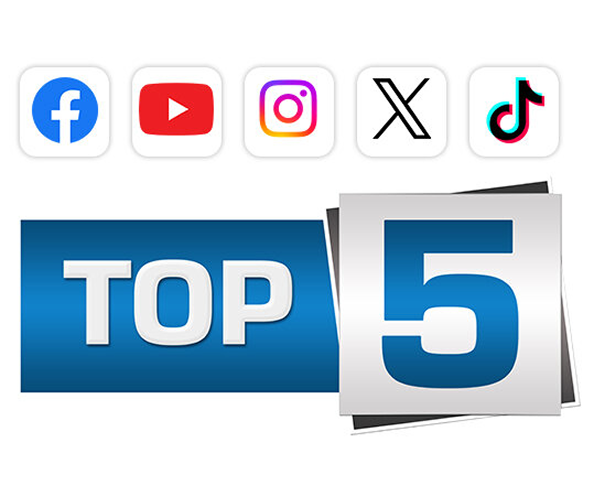
The top 5 social media sites, based on global user count, represent a diverse range of platforms that cater to different content formats and user preferences. These platforms dominate the social media landscape by offering unique features for personal expression, entertainment, networking, and business marketing.

What is Social Media Management?
Social media management is the process of managing a brand’s online presence across different social media platforms. This involves a wide range of tasks designed to engage with the audience, build the brand, and achieve specific business goals. The primary objectives of social media management are to create a consistent brand voice, increase engagement, and drive traffic to a business’s website or other digital assets. Here are the key components of social media management:
Content Creation and Posting
- Creating text posts, images, videos, and graphics
- Planning and scheduling posts
- Consistency
Audience Engagement
- Responding to comments and direct messages
- Encouraging conversations
- Handling customer service
- Building relationships with influencers
Monitoring Social Performance
- Tracking key metrics like engagement
- Making data-driven decisions
- Using social media analytics tools to gather insights
Managing Social Media Ads
- Creating targeted ad campaigns
- Budget management to optimize ROI
- Monitoring and optimizing ads
Building Brand Awareness and Reputation
- Promoting the brand’s values
- Maintaining positive brand image
- Aligning messaging across platforms
Staying Up-to-Date with Trends and Platform Changes
- Following new trends and tools
- Navigating new features
- Integrating algorithm changes


What Does a Manager Actually Do?
A social media manager plays a crucial role in overseeing a brand’s social presence and making sure that the company is effectively engaging with its audience. Their responsibilities include various tasks that help a business stay relevant, build its community, and meet specific marketing goals. Here’s a more detailed look at the key responsibilities:
Do They Make Content?
Scheduling
Engagement
Analytics
Strategy Development

Do They Make Content?
Content is at the heart of social media. Social media managers are responsible for developing various types of content that engage and attract followers. This includes:
Writing posts: Crafting captions and updates that reflect the brand’s voice and message.
Creating visuals: Designing images, infographics, or graphics that are aligned with the brand’s aesthetics.
Video production: Developing short-form videos, such as TikToks or Instagram Reels, or longer videos for platforms like YouTube.
Stories and live content: Using interactive formats like Instagram Stories or live streams to connect with followers in real time.
The content must not only align with the brand’s identity but also meet the platform’s best practices to maximize reach and engagement.
Scheduling
Posting content at the right time is just as important as creating it. A social media manager is responsible for:
Planning and scheduling posts using tools like Buffer, Hootsuite, or the platform’s native scheduling tools.
Optimizing post timing by analyzing when the audience is most active so that posts go live at peak engagement times.
Maintaining a content calendar to make sure that posts are planned in advance and that the brand maintains a consistent presence.
Scheduling helps streamline content flow so a brand remains active across all platforms without overwhelming users.
Engagement
Building a community on social media involves more than just posting content. Social media managers engage with followers by:
Responding to comments and direct messages in a timely manner, addressing questions, or offering customer service.
Interacting with users by liking, commenting, or sharing content from followers or influencers within the brand’s niche.
Managing conversations to build relationships with followers and keep them engaged with the brand.
Engagement helps foster trust and loyalty, turning followers into active participants in the brand’s journey.
Analytics
Social media managers track and measure the performance of their content to see what’s working and what needs improvement. This includes:
Monitoring key metrics like engagement rate, reach, impressions, click-through rates, and follower growth.
Using analytics tools such as Facebook Insights, Instagram Analytics, or third-party platforms to gather data.
Making data-driven decisions to refine strategies, adjust posting schedules, or create different types of content based on what resonates with the audience.
Analyzing performance helps the social media strategy by achieving the desired goals, like increasing brand awareness or driving traffic.
Strategy Development
A social media manager is responsible for creating and refining the overall social media strategy, including:
Setting clear goals such as boosting brand awareness, increasing website traffic, or generating leads.
Choosing the right platforms based on where the target audience is most active.
Planning campaigns that align with the brand’s overall marketing objectives, whether that’s a product launch, a promotional offer, or a special event.
Adapting to trends and changes in algorithms to guarantee the strategy remains effective.
A well-thought-out strategy ensures that every post and interaction aligns with the brand’s bigger picture and business goals.

Do I Really Need a
Social Media Manager?
Deciding whether you need a social media manager depends on your business’s specific needs, your available resources, and your marketing objectives. A social media manager can be a valuable asset if you want to maximize the potential of your social media platforms but lack the time or expertise to manage them effectively. Here’s a deeper look at when you might need one:
INCONSISTENT POSTING
Why It Matters: Irregular posting can result in reduced engagement and lower visibility due to social media algorithms that favor consistent activity. A manager allows for your audience to hear from you regularly, which builds trust and keeps your brand relevant.
Time Constraints
Why It Matters: If social media falls by the wayside due to lack of time, you miss opportunities to connect with your audience and expand your reach. A manager guarantees these tasks are handled efficiently.
Desire for Better Results
Why It Matters: Social media managers are experts in optimizing content and strategies to get better results, such as more engagement, higher reach, or improved click-through rates. They also stay up-to-date with changes in algorithms so your brand stays competitive.
Lack of Engagement with Followers
Why It Matters: Engaging with your audience helps build a loyal community and fosters a positive image for your brand. Ignoring followers or being slow to respond can result in lost opportunities and diminished trust.
Need for Expertise in Analytics and Paid Ads
Why It Matters: Analytics provide insights into what’s working and what’s not. Without them, it’s hard to make data-driven decisions. Paid ads can be costly if not managed correctly, but a social media manager can make sure they’re reaching the right audience and delivering a solid return on investment.

At What Point Should I Get One?
Hiring a social media manager is a significant decision, especially for businesses looking to scale their online presence. There are key moments when it becomes clear that bringing in a professional to manage your social platforms can help your business grow more effectively. Here’s when you should consider getting a social media manager:

Your Business Is Growing, and You Need to Focus on Other Areas
Why It Matters: A growing business has more demands, and managing social media on your own might not be sustainable. A dedicated manager confirms that your brand’s social media efforts align with your overall business goals without you having to constantly oversee them.
Social Media Management Is Taking Up Too Much of Your Time
Why It Matters: Time is a valuable resource. A social media manager can streamline the process by handling day-to-day tasks so that your brand stays active without you having to sacrifice time on core business activities.
You Want to Create a More Professional, Cohesive Brand Presence
Why It Matters: A professional and cohesive presence helps build credibility and trust with your audience. A social media manager makes your brand look polished, making it easier for followers to engage with your content and recognize your business.
You’re Ready to Invest in Paid Advertising or Advanced Analytics, But Lack Expertise
Why It Matters: Paid ads and analytics are powerful tools, but without expertise, you risk wasting money or missing key opportunities to optimize your strategy. A social media manager can run targeted ad campaigns, monitor their success, and adjust strategies based on data, ensuring your investment leads to tangible outcomes.
Need for Expertise in Analytics and Paid Ads
Why It Matters: Analytics provide insights into what’s working and what’s not. Without them, it’s hard to make data-driven decisions. Paid ads can be costly if not managed correctly, but a social media manager can make sure they’re reaching the right audience and delivering a solid return on investment.
What Are Social Media
Management Services?
Social media management services are professional solutions provided by agencies, freelancers, or in-house teams to manage a brand’s social media presence. These services are designed to help businesses maintain a consistent and effective presence on social media platforms without having to handle all the details themselves. They check that your brand stays relevant, engages with its audience, and meets its marketing goals.
What Does a Social Media
Management Package Include?

Ready to Connect With Your Following?
Social media management plays a crucial role in maintaining and growing a brand’s online presence. From creating engaging content to interacting with followers and analyzing performance, a social media manager makes sure that a brand’s message is consistent, authentic, and aligned with business goals. Whether you’re looking to enhance brand awareness, boost engagement, or manage targeted ad campaigns, social media management services can provide the expertise and time-saving solutions needed to succeed in an increasingly competitive digital space.
By hiring a dedicated social media manager or utilizing professional management services, businesses can rest assured that their social platforms are not only active but also strategic and effective. With the right management, your brand can build meaningful connections, increase visibility, and achieve measurable growth across social media channels.


The Benefits of
Social Media Management

Increased Engagement

Brand
Awareness

Targeted
Reach

Lead
Generation

Content
Strategy

Customer Interaction

Analytics Tracking

Cost
Efficiency

Community Building

Reputation Management

Frequently asked questions
about Social Media Management
What are the 4 types of Website Design & Development?
The 4 main types of digital marketing are Search Engine Optimization (SEO), Pay-Per-Click advertising (PPC), Social Media Marketing (SMM), and Content marketing such as blogging or sharing images and videos.
- Search Engine Optimization (SEO) – This involves optimizing a website to improve its visibility and ranking in search engine results pages.
- Pay-Per-Click Advertising (PPC) – This involves placing advertisements on search engines or other websites, and paying each time a user clicks on the advertisement.
- Social Media Marketing (SMM) – This involves promoting a product or service through social media platforms such as Facebook, Instagram, and Twitter.
- Content Marketing – This involves creating and sharing valuable content, such as blog posts, videos, and infographics, to attract and engage an audience and drive profitable customer action.
By utilizing a combination of these 4 types of digital marketing, businesses can reach a wider audience and drive more traffic to their website, leading to increased leads and sales.
What does digital marketing do?
Digital marketing refers to the use of digital channels, such as search engines, social media, email, and websites, to promote a product or service. The goal of digital marketing is to reach a target audience and drive profitable customer action, such as increased sales and brand awareness.
Digital marketing allows businesses to reach a wider audience and personalize their marketing efforts through data-driven strategies and targeting. It provides businesses with the opportunity to interact with customers in real-time, gather insights and feedback, and measure the success of their marketing efforts.
Overall, digital marketing helps businesses achieve their marketing goals by utilizing the vast potential of the internet and digital technologies.
What is an example of digital marketing?
An example of digital marketing is a company creating a social media campaign to promote its new product. The company could post engaging content on its social media accounts, such as videos, images, and user-generated content, to create interest and drive engagement among its followers.
The campaign could also include targeted advertisements on social media, reaching users who are interested in the product based on their browsing and purchasing behavior. The company could also use email marketing to reach their subscribers with personalized content and exclusive offers related to the product.
By using a combination of these digital marketing strategies, the company could reach a wider audience, increase brand awareness, and drive sales for its new product. This is just one example of how a company can utilize digital marketing to achieve its marketing goals.
Is digital marketing Easy?
Digital marketing can be both easy and challenging, depending on the specific tactics and strategies involved. Some aspects of digital marketing, such as setting up social media accounts or creating basic email campaigns, can be straightforward and easy to implement.
However, more complex tactics, such as search engine optimization (SEO) or running targeted advertising campaigns, can require specialized knowledge and skills, and may be more challenging for beginners.
Additionally, digital marketing is constantly evolving, with new technologies and platforms emerging all the time. This can make it challenging for marketers to keep up and remain effective.
Overall, while digital marketing can be approachable for some, it can also be a complex and ever-changing field that requires ongoing learning and adaptation. Whether it is considered easy or not will depend on the individual’s background and experience.

Google partner
Premiere Agency