
 215.558.5555
What is Video Production?
Video production is the intricate process of creating video content from the initial concept to the final product ready for distribution, which is called “End-to-End” video production. It encompasses every stage of production, including planning, scripting, filming, editing, and distribution. At its core, video production is about turning ideas and messages into compelling visual narratives that effectively communicate with a target audience.
In the realm of digital marketing, video production serves as a powerful tool to engage viewers, promote brands, explain products or services, and drive conversions across various platforms. No matter whether you’re looking to create a promotional video, a social media clip, a YouTube series, or a TV commercial, the essence of video production remains the same. The goal is to produce high-quality, impactful content that resonates with your audience.
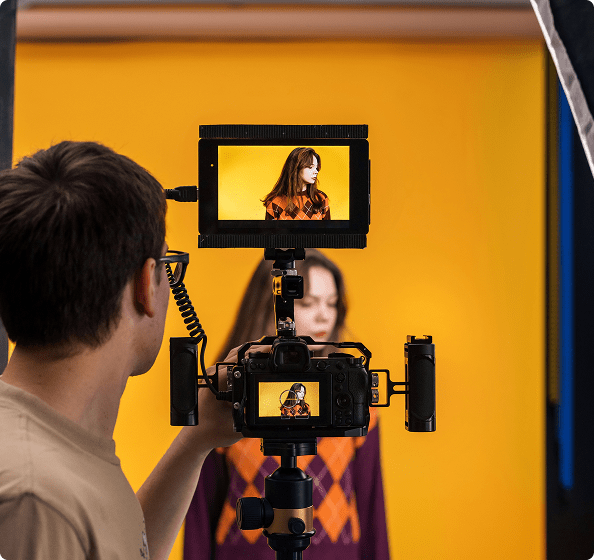


General
Video Production
Producing videos for a wide range of diverse business needs and target audiences.

End-to-End
Services
Starting with brainstorming, development, & scripting. End with post-production, distribution, & monitoring.

Social Media
Video
Creating engaging video content designed for social media platforms like Instagram, Facebook, and TikTok.

YouTube
Video
Recording YouTube content that resonates with viewers and builds your channel.

TV Commercial Video Production
Compelling commercials to captivate TV and streaming audiences.

Commercial
Video
Training, informational, personnel, presentation, and on-boarding video for your internal business needs.

What is the Production Process?
Pay-per-click (PPC) and search engine optimization (SEO) are two different approaches to driving traffic to your website:
What is Pre-Production?
The process begins with pre-production, where the foundation of the video is laid out. This phase involves:
- Brainstorming ideas
- Developing a concept
- Writing a script
- Location scouting
- Casting
- Scheduling
Effective pre-production organizes the project and aligns every element with your overall vision and objectives.
What is Production?
Production is the execution phase, where the actual filming takes place. This involves:
- Setting up equipment
- Directing talent
- Capturing footage
- Recording audio
The production team works meticulously to make every shot is perfect, lighting is optimal, and sound quality is clear. Attention to detail during this phase is crucial, as it directly impacts the quality of the final product.
What is Post-Production?
Following production, the project moves into post-production, where the captured footage is transformed into a polished video. This stage includes:
- Editing the raw footage
- Adding graphics and visual effects
- Incorporating music
- Sound effects
- Performing color grading to enhance the overall aesthetic
Post-production is where the story truly comes to life, creating video that is not only visually appealing but also coherent and engaging.
What is Distribution?
Finally, distribution involves delivering the finished video to its intended platforms, including your website, social media channels, YouTube, or television. Effective distribution strategies reaches the right audience, maximizing its impact, and achieving your marketing goals.


What is the Role of
Video Production?
Video production plays a crucial role in modern marketing and communication strategies, serving as a dynamic medium to convey messages, tell stories, and engage audiences in ways that other formats cannot. Its role extends beyond mere visual appeal, encompassing various aspects that contribute to a brand’s overall success and outreach.
Enhancing Brand Awareness
Videos are highly effective in capturing attention and leaving a lasting impression on viewers. You can showcase your brand’s personality, values, and offerings through well-crafted videos.
Driving Engagement and Interaction
Videos are inherently engaging and can capture the audience’s attention more effectively than text or images alone. Interactive and visually appealing videos encourage viewers to spend more time on your website or social media pages, increasing engagement rates.
Improving Communication and Clarity
Complex ideas or information can often be challenging to convey through written content. Video production allows you to simplify and clarify your messages through visual and auditory means. Explainer videos, tutorials, and how-to guides can break down intricate concepts into easily understandable segments.
Boosting Conversion Rates
Videos have a significant impact on conversion rates. Studies have shown that including a video on a landing page can increase conversions by up to 80%. Videos can effectively demonstrate the benefits of your products or services.
Enhancing SEO and Online Visibility
Search engines favor websites that incorporate video content, as videos can increase the time users spend on a site and reduce bounce rates. By optimizing your videos with relevant keywords, tags, and descriptions, you can improve your website’s SEO performance and boost its ranking in search engine results.
Facilitating Social Media Engagement
Social media platforms are designed for visual content, making videos a perfect fit for these channels. Videos can quickly go viral, reaching a large audience in a short period. Short-form videos tailored for platforms like Instagram, TikTok, and Facebook.
Supporting Training and Education
Video production is not only beneficial for marketing but also for internal training and education purposes. Training videos, instructional content, and educational webinars can effectively convey information to employees, partners, or customers.
Creating a Competitive Edge
In a crowded marketplace, high-quality video content can set your brand apart from the competition. Professionally produced videos demonstrate your commitment to quality and innovation, making your brand appear more credible and trustworthy.
Building Emotional Connections
Videos have the power to evoke emotions, making it easier to build emotional connections with your audience. Through storytelling, music, visuals, and personal narratives, videos can create an emotional resonance that fosters loyalty and trust. Emotional connections are vital for long-term customer relationships.
Facilitating Product Launches and Announcements
When launching a new product or making significant announcements, video production is an effective way to generate buzz and excitement. Launch videos, product demos, and announcement clips can highlight the features and benefits of your new offerings, create anticipation, and drive initial sales.



How Do I Know If
a Video is Successful?
Determining the success of a video involves evaluating key performance indicators (KPIs) that align with your business goals. Here are some important metrics to consider:

By monitoring these metrics, you can gain valuable insights into how well your video is performing and make informed decisions to improve future video content.
View Count
Measures how many times your video has been watched. A higher view count indicates greater reach and interest.
ENGAGEMENT RATES
Includes likes, comments, shares, and overall interaction. High engagement shows that viewers find your video valuable and engaging.
WATCH TIME
The total amount of time viewers spend watching your video. Longer watch times suggest that your content is compelling and holds attention.
CONVERSION RATES
The percentage of viewers who take a desired action after watching your video, such as signing up for a newsletter, making a purchase, or visiting your website.
Audience Retention
Tracks how well your video maintains viewers’ interest throughout its duration. Consistent retention rates indicate effective storytelling and content relevance.
SEO Performance
Evaluates how well your video ranks in search engine results. Optimizing your video for SEO can increase its visibility and attract more organic traffic.

What is
Social Media
Video Production?
Social Media Video Production involves creating engaging and visually appealing video content specifically tailored for platforms like Instagram, Facebook, TikTok, LinkedIn, and Twitter. This type of production focuses on capturing the attention of users quickly, conveying your message effectively, and encouraging interaction and sharing. Social media videos can range from short clips, stories, and live streams to more detailed promotional videos and tutorials. The goal is to enhance brand visibility, increase audience engagement, and drive traffic to your website or other online channels by leveraging the unique features and audience behaviors of each social media platform.

What is YouTube Video Production?

YouTube Video Production involves creating high-quality video content specifically designed for the YouTube platform. This process includes everything from ideation and scripting to filming, editing, and optimizing videos for YouTube’s unique features and audience preferences.
YouTube Video Production is essential for building a strong online presence, increasing brand visibility, and engaging with a global audience. By producing well-crafted videos tailored to YouTube’s format and viewer expectations, you can effectively communicate your message, showcase your expertise, and drive interactions with your target audience.
Key Elements of YouTube Video Production





How Are TV Commercials Made?
Creating TV commercials involves specialized steps tailored to the unique requirements of broadcast media. Here’s how we can make sure your commercial stands out on television or streaming:

Compliance and Broadcasting Standards
TV commercials must adhere to strict broadcast standards and regulations. It is paramount to follow all legal requirements and industry guidelines, to avoid any potential compliance issues. This includes appropriate content, timing, and technical specifications required by different TV and streaming networks.
Strategic Placement and Scheduling
It is important to strategically place your commercials during peak viewing times and within programs that align with your target audience. This maximizes visibility so your message reaches the right viewers. Effective scheduling enhances the impact of your commercial by targeting audiences when they are most receptive.
High-Quality Production
TV commercials often require higher production quality, utilizing professional actors, advanced equipment, and sophisticated visual and audio techniques. Producers need to invest in top-notch resources to create a polished and impactful commercial that captivates your audience. This includes high-definition filming, professional lighting, and superior sound quality so that your commercial looks and sounds exceptional on any screen.
Integration with Advertising Campaigns
Your TV commercial is seamlessly integrated with your broader advertising strategy, creating consistency across all channels. This holistic approach reinforces your brand message and enhances overall campaign effectiveness. By aligning your TV commercials with online and social media efforts, it creates a unified and powerful brand presence that resonates with your audience.
Metrics and Performance Tracking
Unlike digital videos, TV commercials require different metrics for success. We track viewership ratings, audience demographics, and engagement levels to assess the performance of your commercial. This data helps us refine future campaigns and to maximize your advertising ROI.
Why Should My Business Use Video?
In today’s digital world, video production is a powerful tool for businesses looking to elevate their brand, engage their audience, and achieve their marketing goals. You may need captivating social media videos, informative YouTube content, impactful TV commercials, or other videos to stand out. With our comprehensive video production services, you can effectively communicate your message, enhance your online presence, and drive meaningful results for your business.
Ready to Win Them Over with Professional Video Production?
Don’t wait to make your mark with stunning video content.
Contact us today to discuss your project and plan how to
grow your business.


The Benefits of
VIDEO PRODUCTION

Broad
Reach

Engage
Viewers

Boost Conversions

Enhance
Branding

Improve
SEO

Versatile
Content

Cost
Effective

Measure
Success

Targeted Advertising

Sustainable Growth

Frequently asked questions
about VIDEO PRODUCTION
What are the 4 types of Website Design & Development?
The 4 main types of digital marketing are Search Engine Optimization (SEO), Pay-Per-Click advertising (PPC), Social Media Marketing (SMM), and Content marketing such as blogging or sharing images and videos.
- Search Engine Optimization (SEO) – This involves optimizing a website to improve its visibility and ranking in search engine results pages.
- Pay-Per-Click Advertising (PPC) – This involves placing advertisements on search engines or other websites, and paying each time a user clicks on the advertisement.
- Social Media Marketing (SMM) – This involves promoting a product or service through social media platforms such as Facebook, Instagram, and Twitter.
- Content Marketing – This involves creating and sharing valuable content, such as blog posts, videos, and infographics, to attract and engage an audience and drive profitable customer action.
By utilizing a combination of these 4 types of digital marketing, businesses can reach a wider audience and drive more traffic to their website, leading to increased leads and sales.
What does digital marketing do?
Digital marketing refers to the use of digital channels, such as search engines, social media, email, and websites, to promote a product or service. The goal of digital marketing is to reach a target audience and drive profitable customer action, such as increased sales and brand awareness.
Digital marketing allows businesses to reach a wider audience and personalize their marketing efforts through data-driven strategies and targeting. It provides businesses with the opportunity to interact with customers in real-time, gather insights and feedback, and measure the success of their marketing efforts.
Overall, digital marketing helps businesses achieve their marketing goals by utilizing the vast potential of the internet and digital technologies.
What is an example of digital marketing?
An example of digital marketing is a company creating a social media campaign to promote its new product. The company could post engaging content on its social media accounts, such as videos, images, and user-generated content, to create interest and drive engagement among its followers.
The campaign could also include targeted advertisements on social media, reaching users who are interested in the product based on their browsing and purchasing behavior. The company could also use email marketing to reach their subscribers with personalized content and exclusive offers related to the product.
By using a combination of these digital marketing strategies, the company could reach a wider audience, increase brand awareness, and drive sales for its new product. This is just one example of how a company can utilize digital marketing to achieve its marketing goals.
Is digital marketing Easy?
Digital marketing can be both easy and challenging, depending on the specific tactics and strategies involved. Some aspects of digital marketing, such as setting up social media accounts or creating basic email campaigns, can be straightforward and easy to implement.
However, more complex tactics, such as search engine optimization (SEO) or running targeted advertising campaigns, can require specialized knowledge and skills, and may be more challenging for beginners.
Additionally, digital marketing is constantly evolving, with new technologies and platforms emerging all the time. This can make it challenging for marketers to keep up and remain effective.
Overall, while digital marketing can be approachable for some, it can also be a complex and ever-changing field that requires ongoing learning and adaptation. Whether it is considered easy or not will depend on the individual’s background and experience.

Google partner
Premiere Agency