
 910.432.2600
What Is Digital Marketing
in Simple Words?
Digital marketing is the way businesses promote their products or services online. In today’s world, most people spend a significant amount of time on the internet, whether it’s browsing social media, searching for information, or shopping. Digital marketing leverages this online presence to connect with potential customers.
WEBSITES
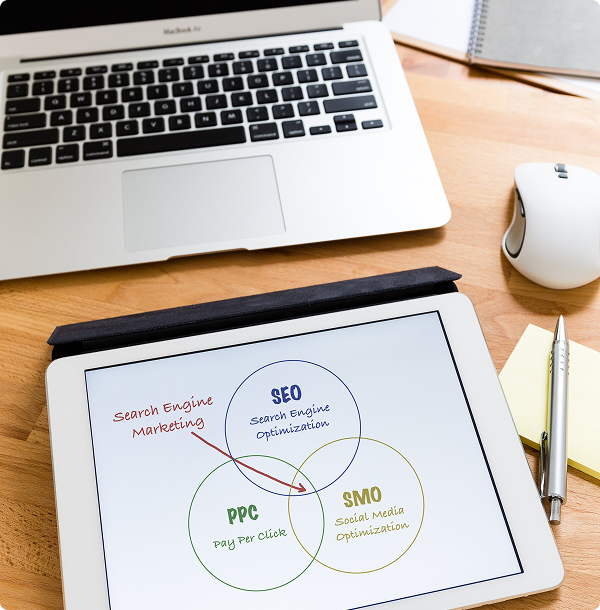
A company’s website is often the first point of contact with potential customers. Digital marketing makes sure that the website is optimized for search engines (Search Engine Optimization or SEO), is user-friendly, and designed to convert visitors into customers. This might involve creating engaging content, setting up an online store, or providing clear calls-to-action that guide users towards making a purchase or signing up for service.
SOCIAL MEDIA
Platforms like Facebook, Instagram, Twitter, and LinkedIn are integral parts of digital marketing. Businesses use these platforms to reach their audience with targeted content, engage with followers, and build brand loyalty. Social media marketing can include everything from organic posts that share company updates to paid ads that target specific demographics.
search ENGINES
When potential customers are looking for information, they often turn to search engines like Google. Digital marketing enables a business’s website to appear in search results through SEO and paid search advertising (Pay-Per-Click Advertising or PPC). This increases the chances that potential customers will find the business when searching for relevant products or services. Optimizing websites for search engines requires constant maintenance due to frequent algorithm updates.
Simply put, digital marketing is how companies use the internet to advertise and sell what they offer. It’s about being where your customers are—online—and using the right strategies to connect with them.


SEO
Creating and optimizing site content, structure, and function to improve SEO rank and traffic.

Paid Advertising
Creation and management of ad campaigns to bring highly-qualified leads to your site.

Social Media Management
Content creation, campaign management, and audience engagement to grow your brand’s presence online.

Local SEO and Google Business Page
Show up to new customers in your neighborhood.

Content MArketing Strategy
Use expert-crafted writing to tell your brand story and build consumer confidence.

Data Marketing Analytics
Analyze your website and marketing campaigns for ongoing optimization and improved ROI.

What Are the Purposes
of Online Marketing?
The purposes of digital marketing are multifaceted, with each strategy working together to achieve a variety of business goals. Here’s a deeper dive into the primary purposes of digital marketing:
Building Brand Awareness
One of the fundamental purposes of digital marketing is to build brand awareness. This involves increasing your brand’s visibility and making sure that your target audience knows who you are and what you offer. Digital marketing helps you get your brand in front of a larger audience online, making people more familiar with your products or services. This builds positive associations and trust.
Driving Traffic
Another key purpose of digital marketing is to drive traffic to your website or online store. Digital marketing aims to attract visitors who are interested in your products or services by leveraging strategies like SEO, PPC advertising, and social media marketing. The more traffic you drive to your website, the more opportunities you have to convert visitors into customers.
Generating Leads
Digital marketing is designed to capture the interest of potential customers and encourage them to take actions like signing up for newsletters, filling out contact forms, or downloading resources. This process of generating leads is crucial for building a pipeline of potential customers who can be nurtured through your sales funnel. Lead generation campaigns often involve a combination of content marketing and social media advertising to capture and qualify leads.
Increasing Sales
One of the main purposes of digital marketing is to increase sales and ultimately, revenue. By targeting the right audience with compelling messages, digital marketing helps convert leads into paying customers. This can be through tactics like retargeting ads or special promotions.
Engaging Customers
Digital marketing allows you to interact directly with your audience members through comments, messages, and social media posts. Building stronger relationships and fostering loyalty is vital in the market today. Customer engagement is critical for long-term business success. Engaged customers are more likely to become repeat buyers and brand advocates. Digital marketing provides the tools to keep your audience engaged, informed, and connected to your brand.
Measuring Results
Finally, digital marketing provides tools to track and analyze the effectiveness of your campaigns, helping you refine your strategies for better outcomes. Through tools like Google Analytics, AdWords, and social media insights, digital marketing allows you to measure the performance of your efforts and make data-driven decisions to improve results.

The purposes of digital marketing are multifaceted, with each strategy working together to achieve a variety of business goals. Here’s a deeper dive into the primary purposes of digital marketing:

Is Web Marketing Necessary?
Digital marketing is no longer just an option—it’s a necessity for businesses looking to thrive in today’s online-driven world. It encompasses a wide range of strategies and services that can propel your business to new heights. No matter if you’re a small startup or an established company, digital marketing is worth every penny. Leveraging the power of digital marketing allows you to reach your audience where they spend the most time: online.
Why Is Online Marketing Important Now?
The importance of digital marketing lies in its ability to connect you with the right people at the right time, offering measurable results and the flexibility to adapt to an ever-changing business landscape.
It’s important to understand what digital marketing is, what a digital marketing company can do for you, and the various roles and services involved.
This way you’re better equipped to make informed decisions that align with your business goals.
What is an Algorithmin Simple Terms?
The market is becoming more and more influenced by algorithms, which act like the nervous system of computer systems. An algorithm is a set of instructions a person or computer follows to solve a problem or get a result. Algorithms run computers as they find us search results, suggest music and videos, and send us notifications. Search algorithms in particular matter for advertising, as they dictate what results are shown to people searching on search engines like Google. They analyze the content of web pages in order to show the most relevant results to your search, intent, and search history. Many digital marketing services are up to date on new trends and algorithms to allow your website, video, or listing to rank higher in search results.

What Are the Services
Agencies Offer?
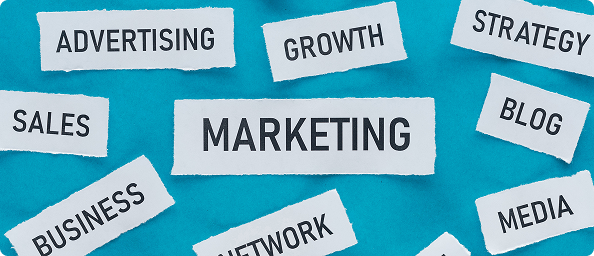
Digital marketing offers a variety of services to help businesses grow their online presence and reach their target audience. Each service plays a specific role in a comprehensive digital marketing strategy, working together to achieve your business goals. Key services in digital marketing include:
- Site, Social Media, and Marketing Audits
- Search Engine Optimization (SEO)
- Pay-Per-Click Advertising (PPC)
- Social Media Marketing
- Content Marketing
- Online Reputation Management
- Conversion Rate Optimization (CRO)
Digital marketing offers a variety of services to help businesses grow their online presence and reach their target audience. Each service plays a specific role in a comprehensive digital marketing strategy, working together to achieve your business goals. Key services in digital marketing include:
What Does a Digital
Marketing Company Do?
A digital marketing company helps businesses reach and engage with their target audience online. In today’s digital age, having a strong online presence is crucial for business success. However, navigating the complexities of digital marketing requires expertise, which is where a digital marketing company comes in.
Essentially, a digital marketing company takes care of your online presence so you can focus on running your business. They use various strategies to promote your business, drive traffic to your website, and increase sales.





What Exactly Do Their
Specialists Do?
A digital marketer creates and manages online campaigns to help businesses reach their target audience and achieve their goals. Their role is multifaceted and requires a mix of creativity, analytical skills, and technical knowledge. Here’s a closer look at what a digital marketer does:

By using online tools and strategies, digital marketers help businesses grow by reaching more people and turning them into customers. Their work involves a mix of strategy, content creation, advertising, and data analysis to drive business success.
Developing Strategies
A digital marketer starts by understanding the business’s goals and target audience. They then plan how to use various online channels—such as social media and search engines—to reach that audience. This involves setting campaign objectives, defining key performance indicators (KPIs), and creating a roadmap for execution.
Creating Specialized Content
Digital content specialists make sure that the content is aligned with the brand’s messaging and tailored to the platform it’s being shared on. For example, a blog post might be designed to educate readers, while a social media ad might focus on a specific promotion.
Managing Social Media
Social media management involves more than just posting updates. A social media manager schedules posts, responds to comments, engages with followers, and runs paid advertising campaigns on various platforms. They monitor the performance of these efforts and make adjustments to improve engagement and reach.
Optimizing for Search Engines
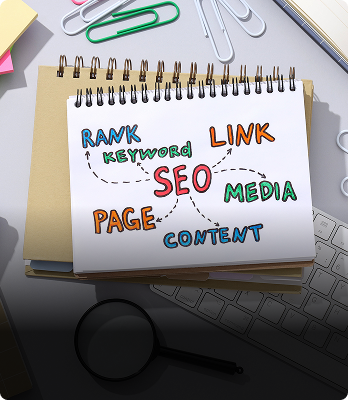
SEO is crucial for making sure that a business’s website appears higher in search results on Google. An SEO specialist will work alone and with other departments to optimize the site’s content, structure, and technical aspects to improve its visibility. This might include conducting keyword research, optimizing content, updating meta tags, improving page load speeds, and building backlinks from other websites.
Running Paid Ads
Pay-per-click (PPC) advertising is a core component of digital marketing. A digital marketer chooses keywords, sets budgets, writes ad copy, and monitors the performance of the ads. By analyzing metrics like cost-per-click (CPC) and return on ad spend (ROAS), they confirm that the ads are delivering a good return on investment.
Analyzing Data
Data analysis is key to understanding how well digital marketing campaigns are performing. A digital marketer uses tools like Google Analytics to track website traffic, user behavior, and conversion rates. They analyze this data to identify what’s working, where improvements can be made, and how to optimize future campaigns.
What Are the Benefits?
Digital marketing offers several key benefits for businesses, making it an indispensable tool in today’s competitive landscape. Here’s a closer look at how digital marketing can drive success:
Cost-Effective
Digital marketing is often more affordable than traditional marketing methods, such as print ads, TV commercials, or billboards. It allows businesses of all sizes to compete on a more level playing field. With digital marketing, you can reach a global audience without the high costs associated with traditional advertising.
Measurable Results
One of the biggest advantages of digital marketing is that it’s measurable. Unlike traditional marketing, where it can be difficult to track the effectiveness of your campaigns. Digital marketing provides detailed data and analytics that show how your efforts are performing. This means you can see what’s working and what’s not, allowing you to adjust your strategy in real-time to maximize results.
Targeted Reach
Digital marketing allows you to target specific audiences with precision. You can tailor your campaigns through demographics, interests, behavior, or location to reach the people most likely to be interested in your products or services. This level of targeting increases the efficiency of your marketing efforts, so that your message reaches the right people at the right time.
Adaptable
The digital landscape is constantly changing, and digital marketing allows businesses to adapt quickly. You can respond to a trending topic on social media, launch a new product, or adjust your SEO strategy. Digital marketing offers the flexibility to stay relevant and keep ahead of the competition.
Visibility
Visibility is crucial for business success. Consumers are increasingly turning to the internet to find information, products, and services. If your business isn’t visible online, you risk being overlooked by potential customers. Digital marketing ensures that your business appears in search results, social media feeds, and other online platforms where your target audience spends their time.
Track Consumer Behavior
Consumer behavior has shifted dramatically. People now turn to the internet for everything. It’s how they discover new products and make purchasing decisions. This means that businesses need to have a strong online presence to stay competitive. Without digital marketing, you risk missing out on reaching a large segment of your target audience.
Increased Engagement
By interacting with customers through social media and other online platforms, digital marketing helps you build stronger relationships with your audience. Engaged customers are more likely to become loyal, repeat buyers, and advocates for your brand. Digital marketing allows for two-way communication, where you can respond to customer inquiries, gather feedback, and create a sense of community around your brand.
Global Reach
The internet allows you to reach customers anywhere in the world, expanding your market beyond local boundaries. With digital marketing, you can tap into new markets, reach a global audience, and grow your business on a larger scale. Whether you’re selling products online or offering services remotely, digital marketing provides the reach and accessibility needed to connect with customers worldwide

These benefits make digital marketing essential for reaching your goals and growing your business in today’s fast-paced, online-driven world. Whether you’re looking to build brand awareness, generate leads, or increase sales, digital marketing provides the strategies and tools to help you succeed. It’s not just about being online; it’s about being effective online.

Are You Ready for Digital Success?
Digital marketing is critical today because most people spend a significant amount of time online. They’re searching for products, scrolling through social media, or reading reviews. Your potential customers are online, and digital marketing helps you reach them no matter where they are.
The journey to digital marketing success is ongoing, requiring continuous learning, adaptation, and refinement. By staying informed and embracing the latest trends and best practices, you can make certain that your business not only keeps up with the competition but leads the way in your industry.
If you’re ready to take the next step, partnering with a knowledgeable digital marketing company can provide the expertise and resources you need to achieve your goals. Together, you can navigate the complexities of digital marketing and unlock new opportunities for success for your business.

The Benefits of
DIGITAL MARKETING

Increased Visibility

Targeted
Reach

Cost
Efficiency

Measurable Results

Brand
Building

Enhanced Engagement

SEO
Improvement

Data-Driven Insights

Flexibility and Adaptability

Competitive Advantage

Frequently asked questions
about DIGITAL MARKETING
What are the 4 types of Website Design & Development?
The 4 main types of digital marketing are Search Engine Optimization (SEO), Pay-Per-Click advertising (PPC), Social Media Marketing (SMM), and Content marketing such as blogging or sharing images and videos.
- Search Engine Optimization (SEO) – This involves optimizing a website to improve its visibility and ranking in search engine results pages.
- Pay-Per-Click Advertising (PPC) – This involves placing advertisements on search engines or other websites, and paying each time a user clicks on the advertisement.
- Social Media Marketing (SMM) – This involves promoting a product or service through social media platforms such as Facebook, Instagram, and Twitter.
- Content Marketing – This involves creating and sharing valuable content, such as blog posts, videos, and infographics, to attract and engage an audience and drive profitable customer action.
By utilizing a combination of these 4 types of digital marketing, businesses can reach a wider audience and drive more traffic to their website, leading to increased leads and sales.
What does digital marketing do?
Digital marketing refers to the use of digital channels, such as search engines, social media, email, and websites, to promote a product or service. The goal of digital marketing is to reach a target audience and drive profitable customer action, such as increased sales and brand awareness.
Digital marketing allows businesses to reach a wider audience and personalize their marketing efforts through data-driven strategies and targeting. It provides businesses with the opportunity to interact with customers in real-time, gather insights and feedback, and measure the success of their marketing efforts.
Overall, digital marketing helps businesses achieve their marketing goals by utilizing the vast potential of the internet and digital technologies.
What is an example of digital marketing?
An example of digital marketing is a company creating a social media campaign to promote its new product. The company could post engaging content on its social media accounts, such as videos, images, and user-generated content, to create interest and drive engagement among its followers.
The campaign could also include targeted advertisements on social media, reaching users who are interested in the product based on their browsing and purchasing behavior. The company could also use email marketing to reach their subscribers with personalized content and exclusive offers related to the product.
By using a combination of these digital marketing strategies, the company could reach a wider audience, increase brand awareness, and drive sales for its new product. This is just one example of how a company can utilize digital marketing to achieve its marketing goals.
Is digital marketing Easy?
Digital marketing can be both easy and challenging, depending on the specific tactics and strategies involved. Some aspects of digital marketing, such as setting up social media accounts or creating basic email campaigns, can be straightforward and easy to implement.
However, more complex tactics, such as search engine optimization (SEO) or running targeted advertising campaigns, can require specialized knowledge and skills, and may be more challenging for beginners.
Additionally, digital marketing is constantly evolving, with new technologies and platforms emerging all the time. This can make it challenging for marketers to keep up and remain effective.
Overall, while digital marketing can be approachable for some, it can also be a complex and ever-changing field that requires ongoing learning and adaptation. Whether it is considered easy or not will depend on the individual’s background and experience.

Google partner
Premiere Agency